

Viral Song Earnings: What Ravana Tandav Is Really Worth
It is Dussehra week, and your WhatsApp is full of one song. T-Series released “Ravana Tandav” from the upcoming film Ramayana on October 20, 2026, and industry trackers clocked it crossing 9.8 million views while adding nearly half a million views an hour at…
USD to INR today and NRI money tools

Visiting Parents Reorganize Son’s Kitchen in One Afternoon, Relocate Coffee Maker to ‘Guest Room’
Mother cites 'frequency of use,' father files an electricity share in the cutlery drawer, and the spatula is missing for eleven minutes.
NRI Problems
All episodes →Ravi's money life in America, told in under a minute.

The Wedding Envelope

The Suitcase Weigh-In

The Exchange Rate Showdown
Ravi checks the rate before sending money home. Then Sharma Uncle says he got a better one.

The Thermostat War: Nobody Touches My Thermostat
Nobody touches Ravi's thermostat. The key sleeps in a steel dabba, inside another dabba.
Latest Articles

Why Old Bollywood Comedies Keep Winning YouTube
If your family WhatsApp is anything like the IndiaPay Team’s, your most-played videos are not new stand‑up specials. They are chopped scenes of Akshay Kumar panicking in a hotel, Nana Patekar saying “Control, Uday,” and Paresh Rawal walking into yet another disaster. Old bollywood comedies on youtube are quietly winning the platform…

NRE vs NRO Accounts: The 5-Question Family Argument
On a random Sunday, the Patel family WhatsApp group blew up over NRE vs NRO accounts. Topic: “Where should the…

How to Repatriate Money OUT of India: The Guide Nobody Writes
How to repatriate money from India starts with a clearer question than most bank forms provide. You probably remember the…
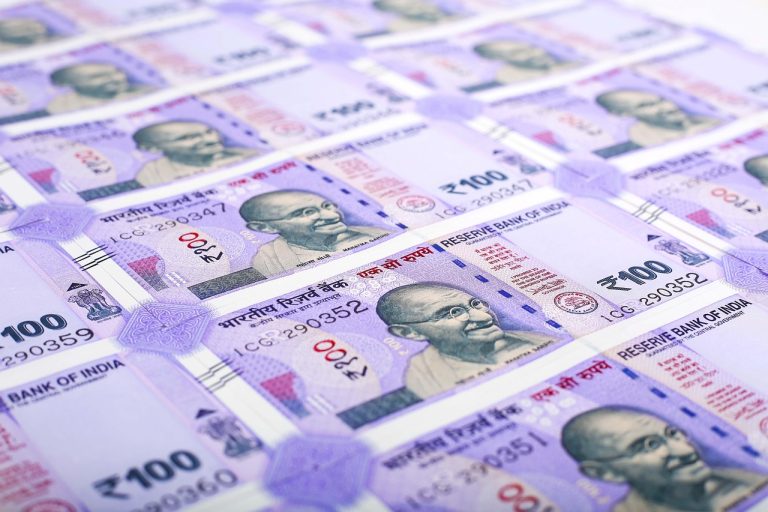
Rupee: The Melting Ice Cube
Every year your WhatsApp family group celebrates the same “good news.” “Beta, dollar is 90 rupees now, send money this…

Can You Actually Buy Indian Stocks From America?
Last week, a subscriber wrote: “I can DoorDash Tesla shares at 2 a.m. from my couch in New Jersey. But…
Currency Converter
Convert at the mid-market rate shown on our rate pages.
| $100 | ₹9,518 |
| $500 | ₹47,590 |
| $1,000 | ₹95,180 |
| $5,000 | ₹4,75,900 |
Mid-market rates for guidance. Banks and transfer providers add a margin and fees, so the amount you receive will be a little lower.
NRE FD Calculator
Deposit, tenure and rate in; maturity value out, compounded quarterly the way Indian banks do it.
| Interest earned | ₹1,03,131 |
| Effective annual yield | 6.45% |
| Maturity value | ₹6,03,131 |
| State Bank of India | 1 yr 6.25% · 3 yr 6.30% |
| ICICI Bank | 1 yr 6.25% · 3 yr 6.45% |
Prefilled with State Bank of India's current 3-year-band NRE rate from the rates table on this page. Edit it to the rate your bank quotes you. Estimate only: the bank's exact day count and payout dates can shift the final figure slightly. Interest on NRE deposits is tax-free in India, but may be taxable in the country where you live.
RBI Macro Room
- Repo rate5.50%
- Standing Deposit Facility5.25%
- Marginal Standing Facility5.75%
- Bank Rate5.75%
- Fixed Reverse Repo3.35%
- CRR3.00%
- SLR18.00%
Forex reserves · as of Oct 16, 2026
- Total reserves$721B · ₹68.5 lakh crore
- Gold$105.8B · ₹10 lakh crore
Market Snapshot
- S&P 500 (SPY)$765.37+0.71%
- Nasdaq 100 (QQQ)$712.20+1.11%
- Dow Jones (DIA)$522.97+0.31%
- Gold (GLD)$367.82+0.33%
- Oil (USO)$166.23-1.95%
- NIFTY 5022,753.20+0.68%
- SENSEX73,606.75+0.66%
- NIFTY BANK54,366.70+0.15%
Gold Rates (per 10g)
IBJA rates include import duty and taxes · Last fixing Mon Oct 26
The same national gold rate behind Suwarna's tables. City jewellers add a local premium, so your city rate will differ a little.
Stat of the Day
Money Deadlines
- Dec 15, 2026India advance tax: 3rd instalment (75%)in 49 days
- Mar 15, 2027India advance tax: final instalment (100%)in 139 days
- Mar 31, 2027India financial year endsin 155 days
- Apr 15, 2027FBAR due (FinCEN Form 114)in 170 days
- Apr 15, 2027US federal tax return duein 170 days
- Jun 15, 2027US expat automatic extension endsin 231 days
Recurring annual dates. Weekends, holidays and official notifications can move a date in a given year, so verify for the current year before you rely on one. Sources: Income-tax Act, 1961, FinCEN, IRS.
India Money News
- ₹50 lakh FD for 5 years: How much more can your senior citizen father earn than you in small finance bank? Check returns
- Soaring domestic and international airfares make travellers rethink year-end holidays
- Using a credit card for foreign transactions? 5 key things to know about fees, exchange rates and charges | Full list
🎮 Play, Compare & Share
💸 Send Money to India: Cost Comparator
See what Wise, Remitly, Instarem and Xoom actually deliver to India after fees and rate margins, estimated from their published fees at today’s live USD/INR rate.
| Provider | Fee | Recipient gets for $1,000 |
|---|---|---|
| Wise Best estimate | $6.85 | ₹94,528 |
| Remitly | $0 transfer fee | Rate set per transfer |
| Instarem | Check provider | Check provider |
| Xoom (PayPal) | Check provider | Check provider |
Estimate from published fees as of October 12, 2026. Full comparison →
📞 Today’s Rupee Call
Rupee Call
Will the rupee weaken or strengthen by close on October 28, 2026?
One guess per day. You can change nothing after submitting - choose well.
Leaderboard and last result
Just for fun. No prizes, no money, no bragging rights beyond this page.
This is a game, not financial advice.
How Rich Are You in India?
What a dollar amount feels like in India, in purchasing power rather than exchange rates.
Spent in India, that buys roughly what $4,740 buys in the US.
By the World Bank's purchasing power parity measure, what $1,000 buys in the US costs about ₹20,089 in India (PPP factor ₹20.09 per international dollar, 2025).
Based on the World Bank's PPP conversion factor for India (2025): ₹20.09 per international dollar. PPP compares the cost of the same basket of goods and services across countries. It is an economy-wide average, not a city cost index, and it is not an exchange rate.
Best Day to Send
Strongest weekday so far: Thursday, averaging ₹95.60 per USD.
| Mondays | ₹95.51 |
| Tuesdays | ₹95.49 |
| Wednesdays | ₹95.50 |
| Thursdays | ₹95.60 |
| Fridays | ₹95.59 |
Averages of the daily readings in our own USD/INR archive: 40 days since Sep 1, 2026. Weekday patterns in exchange rates are weak and drift with markets, so treat this as a nudge, never a promise.
🔔 Rupee Alert
🇮🇳 India Money Pulse: data nobody else aggregates
UPI Pulse
- Value moved₹29.4 lakh crore
Inflation Now
- Food inflation (CFPI)7.74%
Featured

The Uncle Portfolio: 3 Pune Flats vs the CFA Nephew
Your WhatsApp family group has two asset classes: Uncle, and Uncle’s property. He bought three flats in Pune in 2008. Everyone remembers the price of pav bhaji back…
🗞️ The IndiaPay Times · Satire

Visiting Parents Reorganize Son’s Kitchen in One Afternoon, Relocate Coffee Maker to ‘Guest Room’
Mother cites 'frequency of use,' father files an electricity share in the cutlery drawer, and the spatula is missing for eleven minutes.
More Daily Rupee editions →Money & Culture
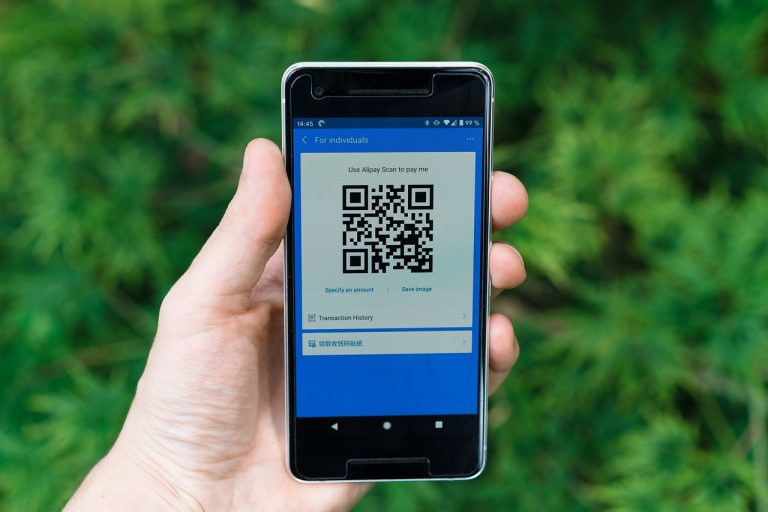
UPI Fraud Exposed: 5 Scams Hiding Behind a Funny Money Story
If you have watched any Hindi comedy film about money going missing, you know the drill. Someone counts cash, someone…
Stolen Money Puzzle: The Viral Riddle That Teaches Real Money Math
1. The 18‑second viral clip that broke everyone’s brain In early October 2026, an 18 second YouTube Short titled “Can…

Jailer 2’s Money Trail: Where a Rajinikanth Tent-Pole’s Crores Actually Go
Jailer 2’s Money Trail: Where a Rajinikanth Tent-Pole’s Crores Actually Go The Jailer 2 trailer dropped and pulled 15 million…
Today's NRE FD Rates
| Bank | 1-year band | 3-year band |
|---|---|---|
| State Bank of IndiaDeposits below ₹3 crore · w.e.f. 15 Aug 2026 | 6.25%1 yr to <2 yrs | 6.30%3 yrs to <5 yrs |
| ICICI BankGeneral, with premature withdrawal · w.e.f. 9 Oct 2026 | 6.25%1 yr to 389 days | 6.45%2 yrs 1 day to 3 yrs |
Rates read from the banks' official websites on October 12, 2026: State Bank of India, ICICI Bank. Banks revise rates without notice and bigger deposits earn different rates, so confirm the current rate before you deposit.
🔧 Popular Tools
ℹ️ About IndiaPay
The NRI money hub: live rupee rates, honest comparisons and guides that respect both your rupees and your dollars.